The Capablanca Memorial: A Chess Legacy Forged in the Cold War
The Capablanca Memorial, inaugurated in 1962, stands as one of the most enduring and fascinating chess tournaments in the world. Established in Havana, Cuba, the event was created to honor the legacy of José Raúl Capablanca, the Cuban chess genius and the third World Chess Champion. However, the tournament's significance extends far beyond the 64 squares; its history is deeply intertwined with the intense political climate of the Cold War and the cultural priorities of post-revolution Cuba.
Following the 1959 revolution, the Cuban government, spearheaded by figures like Fidel Castro and Ernesto "Che" Guevara, aggressively promoted chess as a national intellectual pursuit. Guevara, a passionate chess enthusiast himself, personally helped underwrite the inaugural events, turning the Capablanca Memorial into one of the best-funded and most prestigious tournaments of its era. For the Cuban state, hosting a world-class chess competition was a powerful symbol of international prestige and intellectual prowess, openly challenging the geopolitical isolation imposed by the United States.
Perhaps the most legendary—and politically charged—episode in the tournament's history occurred during the 4th edition in 1965. The brilliant American prodigy Bobby Fischer had accepted an invitation to play, but the U.S. State Department denied his travel visa to Cuba due to the strict embargo. In an unprecedented display of ingenuity, organizers arranged for Fischer to play his games remotely via a teletype machine from the Marshall Chess Club in New York City. Capablanca’s own son relayed Fischer's moves on a board in Havana. The event briefly threatened to derail when Castro publicly proclaimed Fischer's participation a "propaganda victory" for Cuba. Fischer, fiercely independent, immediately cabled Castro demanding he cease the political grandstanding or face his withdrawal. Castro capitulated, and the tournament proceeded, capturing the world's imagination.
Over the decades, the Memorial has experienced its share of ups and downs, often reflecting Cuba's fluctuating economic realities. Despite these challenges, it has continuously attracted a glittering roster of international grandmasters. Chess legends such as Viktor Korchnoi, Vassily Smyslov, Boris Spassky, and Anthony Miles have all claimed memorable victories on Cuban soil. The success of the early Memorials also paved the way for Havana to host the spectacular 1966 Chess Olympiad.
Today, the Capablanca Memorial remains a vital fixture on the international chess calendar. It is a living testament not only to the enduring brilliance of Capablanca himself but also to a unique era when the cerebral battles of chess mirrored the ideological struggles of the global stage.
José Raúl Capablanca (1888-1942) 3rd Chess World Champion
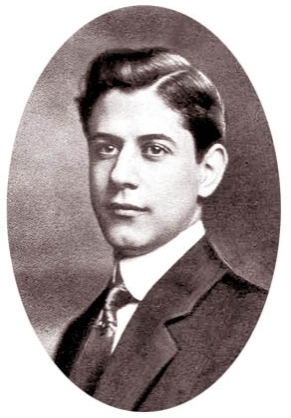 The Capablanca Memorial, inaugurated in 1962, stands as one of the most enduring and fascinating chess tournaments in the world. Established in Havana, Cuba, the event was created to honor the legacy of José Raúl Capablanca, the Cuban chess genius and the third World Chess Champion. However, the tournament's significance extends far beyond the 64 squares; its history is deeply intertwined with the intense political climate of the Cold War and the cultural priorities of post-revolution Cuba.